Tuberculosis Treatment in Bhopal requires timely diagnosis, appropriate medical evaluation, and a properly supervised treatment plan. Tuberculosis, commonly known as TB, is an infectious disease caused by Mycobacterium tuberculosis. It most commonly affects the lungs, although it can also involve other parts of the body. Persistent cough, fever, night sweats, fatigue, reduced appetite and unexplained weight loss can be associated with tuberculosis and should not be ignored.
Dr. Krishna Singh is a Pulmonologist and Chest Specialist in Bhopal with more than 12 years of experience in pulmonology and chest medicine. He has been providing advanced lung care in Bhopal since 2012 and has experience in conditions including COPD, asthma, tuberculosis, lung infections and bronchoscopic procedures. His professional profile describes him as Professor & Head of Pulmonary Medicine, with an approach focused on careful diagnosis, modern techniques and compassionate patient care.
For people searching for TB Treatment in MP Nagar, Bhopal, understanding the symptoms, causes, diagnostic process and importance of completing treatment can help them make informed decisions about respiratory health. This blog explains important aspects of tuberculosis and when professional pulmonary evaluation may be appropriate.
What Is Tuberculosis?
Tuberculosis is an infectious disease caused by bacteria called Mycobacterium tuberculosis. The infection most frequently affects the lungs and is then referred to as pulmonary tuberculosis. However, TB can also affect lymph nodes, bones, kidneys, the brain and other organs.
Not everyone infected with TB bacteria develops active tuberculosis. Some people have latent TB infection, in which the bacteria remain in the body without causing active disease or typical symptoms. Active tuberculosis can cause symptoms and, when the lungs or airways are involved, may spread through the air to other people.
Tuberculosis Treatment in Bhopal depends on several factors, including whether the infection is active, which part of the body is affected, previous treatment history and whether the TB bacteria are susceptible to commonly used medicines.
A doctor may recommend different investigations to establish the diagnosis and determine the appropriate treatment approach. Self-treatment based only on symptoms is not recommended because several other respiratory conditions can produce similar complaints.
Common Symptoms of Tuberculosis
Recognising possible TB symptoms is important for timely medical assessment. Pulmonary tuberculosis may develop gradually, and some symptoms can initially appear mild.
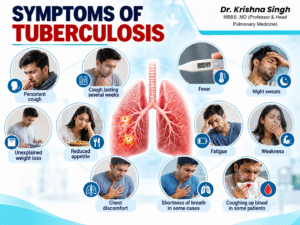
Common symptoms may include:
- Persistent cough
- Cough lasting several weeks
- Fever
- Night sweats
- Unexplained weight loss
- Reduced appetite
- Fatigue
- Weakness
- Chest discomfort
- Shortness of breath in some cases
- Coughing up blood in some patients
People searching for TB Treatment in Arera Colony, Bhopal may be concerned about a persistent cough or other respiratory symptoms. However, these symptoms do not automatically indicate tuberculosis. Asthma, COPD, pneumonia, bronchitis, allergies and other lung conditions can cause overlapping symptoms.
A pulmonologist can assess the duration and nature of symptoms along with medical history, examination findings and appropriate investigations.
uberculosis Treatment in Bhopal: Why Early Evaluation Matters
Early evaluation is an important part of managing suspected tuberculosis. A prolonged cough or unexplained respiratory symptoms may have multiple causes, and identifying the underlying condition helps guide further management.
Tuberculosis Treatment in Bhopal should be based on appropriate clinical evaluation and diagnostic evidence whenever possible. Depending on the patient’s symptoms and clinical circumstances, a doctor may recommend chest imaging, sputum examination, molecular testing or other investigations.
Early identification of active TB can also be important from a public-health perspective because pulmonary tuberculosis may be transmitted to close contacts.
Patients should therefore avoid ignoring persistent respiratory symptoms, especially when they occur with prolonged fever, night sweats, weight loss or coughing up blood.
How Does Tuberculosis Spread?
Tuberculosis primarily spreads through the air when a person with infectious pulmonary or laryngeal TB releases bacteria into the surrounding air through coughing, speaking or sneezing.
The risk of transmission can be influenced by factors such as:
- Duration of exposure
- Closeness of contact
- Ventilation
- Number of people sharing an enclosed space
- Whether the affected person has infectious pulmonary TB
Not everyone exposed to TB bacteria develops active disease. The body’s immune response plays an important role in determining whether infection remains latent or progresses to active tuberculosis.
For individuals searching for TB Treatment in Shahpura, Bhopal, it is important to understand that prevention, early diagnosis and appropriate management of infectious cases can help reduce transmission.
Risk Factors Associated With Tuberculosis
Several factors can increase the likelihood of developing active TB after infection. These may include:
Weakened Immune System
Certain medical conditions or medicines that suppress the immune system can increase the risk of active TB.
Close Contact With an Infected Person
People who spend considerable time with someone who has infectious TB may have a greater risk of exposure.
Poor Nutritional Status
Inadequate nutrition can affect overall health and immune function.
Previous TB Infection
People who have previously had TB may require careful evaluation if symptoms recur.
Certain Chronic Conditions
Some chronic illnesses can increase susceptibility to infections.
High-Risk Living or Working Environments
Crowded or poorly ventilated environments can facilitate respiratory transmission.
Patients looking for TB Treatment in Kolar Road, Bhopal should discuss relevant risk factors and exposure history with their doctor if tuberculosis is suspected.
Tuberculosis Treatment in MP Nagar, Bhopal: Understanding Diagnosis
For patients searching for TB Treatment in MP Nagar, Bhopal, diagnosis is an important first step. There is no single test that is suitable for every patient. The diagnostic approach depends on symptoms, exposure history, age, clinical findings and suspected site of infection.
Medical History and Examination
The doctor may ask about cough duration, fever, weight changes, night sweats, previous TB treatment, exposure to TB and other medical conditions.
Chest X-Ray
A chest X-ray may show abnormalities associated with pulmonary tuberculosis. However, an abnormal X-ray does not by itself establish TB.
Sputum Examination
Sputum can be examined for evidence of Mycobacterium tuberculosis. This can be particularly important when pulmonary TB is suspected.
Molecular Tests
Molecular diagnostic tests can help identify TB bacteria and may also provide information about resistance to certain medicines.
Additional Investigations
Depending on the presentation, doctors may recommend CT scans, bronchoscopy, tissue sampling or other investigations.
The exact diagnostic approach should be determined by a qualified healthcare professional.
What Is Pulmonary Tuberculosis?
Pulmonary tuberculosis refers to TB infection involving the lungs. It is the most common form of tuberculosis and is particularly important because infectious pulmonary TB can spread through respiratory droplets and airborne particles.
Possible symptoms include persistent cough, fever, night sweats, fatigue, weight loss and chest discomfort. Some patients may experience blood in their sputum.
Pulmonary TB Treatment in Bhopal depends on factors such as the diagnostic findings, drug susceptibility, previous treatment history and overall health of the patient.
Dr. Krishna Singh’s professional profile identifies him as a Pulmonologist and Professor & Head of Pulmonary Medicine, with experience in tuberculosis, COPD, asthma, lung infections and bronchoscopy.
Tuberculosis Treatment in Arera Colony, Bhopal: What Does Treatment Involve?
Patients searching for Tuberculosis Treatment in Arera Colony, Bhopal should understand that treatment generally involves a combination of anti-tuberculosis medicines rather than a single medication.
The exact combination and duration depend on the type of TB and the patient’s individual circumstances. Drug-sensitive TB and drug-resistant TB require different approaches.
Important principles include:
- Taking medicines exactly as prescribed
- Following the recommended treatment duration
- Attending scheduled follow-ups
- Reporting significant side effects
- Completing investigations advised by the treating doctor
- Avoiding changes to the regimen without medical guidance
Patients should not stop their medicines simply because symptoms improve.
Why Completing TB Treatment Is Important
One of the major challenges in tuberculosis management is incomplete or irregular treatment. A patient may begin feeling better before the infection has been fully controlled.
Stopping medicines prematurely or taking them inconsistently can increase the risk of treatment failure and drug resistance.
Tuberculosis Treatment in Bhopal therefore requires commitment to the prescribed treatment plan and appropriate follow-up. If a patient experiences difficulty taking medicines regularly or develops side effects, the treating doctor should be informed rather than stopping treatment independently.
Drug-Resistant Tuberculosis
Drug-resistant tuberculosis occurs when TB bacteria do not respond adequately to one or more medicines used to treat the infection.
Resistance can make treatment more complicated. Depending on the resistance pattern, doctors may need to use different medicines and treatment strategies.
Testing for drug susceptibility can help determine whether the bacteria are resistant to specific medicines.
For patients looking for TB Treatment in Habibganj, Bhopal, it is important to understand that suspected drug-resistant TB requires specialist medical management. Previous TB treatment, interrupted treatment or known exposure to drug-resistant TB may be relevant when evaluating a patient.
Tuberculosis Treatment in Shahpura, Bhopal: Importance of Follow-Up
Follow-up is an important component of TB Treatment in Shahpura, Bhopal. Treatment does not end simply when symptoms begin to improve.
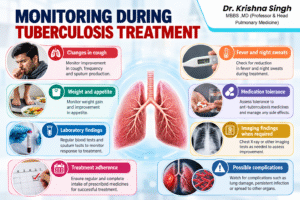
During follow-up, a doctor may assess:
- Changes in cough
- Fever and night sweats
- Weight and appetite
- Medication tolerance
- Laboratory findings
- Imaging findings when required
- Treatment adherence
- Possible complications
The frequency and type of follow-up depend on the individual’s condition and treatment plan.
Patients should maintain communication with their treating healthcare professional and report new or worsening symptoms.
Can Tuberculosis Be Prevented?
Tuberculosis prevention involves reducing transmission and identifying infection or active disease appropriately.
Important measures can include:
- Early identification of infectious TB
- Appropriate treatment of active TB
- Adequate ventilation
- Appropriate infection-control practices
- Evaluation of close contacts when recommended
- Following public-health guidance
- Maintaining general nutritional and health status
Vaccination also plays a role in TB prevention, particularly through BCG vaccination, which is widely used in countries where tuberculosis is common. The protective effect varies depending on the form of TB and the population.
People seeking Tuberculosis Treatment in Kolar Road, Bhopal should also understand that prevention and early diagnosis are important for protecting family members and other close contacts.
Tuberculosis and Children
Children can also develop tuberculosis, although the symptoms and diagnostic approach may differ from adults.
Possible symptoms can include:
- Persistent fever
- Poor weight gain
- Reduced appetite
- Fatigue
- Persistent cough
- Swollen lymph nodes
- Reduced activity
The evaluation of suspected TB in children should be performed by an appropriate healthcare professional because symptoms can overlap with several childhood infections and conditions.
Tuberculosis in Older Adults
Older adults may have multiple medical conditions that make respiratory symptoms more difficult to interpret. Symptoms of TB can sometimes be less typical.
Persistent cough, unexplained weight loss, fever, fatigue or changes in general health should be assessed appropriately, particularly when there is a history of TB exposure.
A detailed medical history can help the doctor decide which investigations are necessary.
Tuberculosis and Nutrition
People with tuberculosis may experience reduced appetite and unintended weight loss. Maintaining adequate nutrition can support overall health during recovery.
A balanced diet may include adequate:
- Protein
- Calories
- Fruits and vegetables
- Whole grains
- Healthy fats
- Fluids
However, dietary needs can vary according to age, nutritional status, other medical conditions and treatment.
Patients receiving Tuberculosis Treatment in Bhopal should discuss significant weight loss or persistent appetite problems with their healthcare provider.
TB and Other Lung Diseases
Tuberculosis can sometimes resemble other respiratory conditions. Chronic cough, breathing difficulty and chest discomfort may occur with:
- Asthma
- COPD
- Pneumonia
- Bronchitis
- Lung infections
- Allergic respiratory conditions
- Certain structural lung disorders
This is why proper diagnosis is essential.
A patient searching for Pulmonologist for Tuberculosis in Bhopal may benefit from specialist evaluation when symptoms are persistent, imaging is abnormal or the diagnosis remains uncertain.
Dr. Krishna Singh’s profile highlights his experience in pulmonary medicine, tuberculosis, COPD, asthma, bronchoscopy and lung infections.
Tuberculosis Treatment in Habibganj, Bhopal: When Should You See a Pulmonologist?
People looking for Tuberculosis Treatment in Habibganj, Bhopal should consider medical evaluation when symptoms such as persistent cough, prolonged fever, night sweats or unexplained weight loss continue.
Specialist assessment can be particularly relevant when:
- Symptoms persist despite initial treatment
- Chest imaging is abnormal
- TB exposure has occurred
- Previous TB treatment has been incomplete
- Drug resistance is suspected
- There are recurrent respiratory infections
- Bronchoscopy or additional investigations may be required
A pulmonologist can assess the respiratory system and determine whether further testing is appropriate.
Bronchoscopy and Tuberculosis Evaluation
Bronchoscopy is a procedure that allows a doctor to examine the airways using a specialised instrument. In selected cases, it may help obtain respiratory samples or investigate abnormalities that cannot be adequately evaluated through routine testing.
It is not required for every patient with suspected TB. The decision depends on the clinical situation and other available test results.
Dr. Krishna Singh’s profile specifically highlights bronchoscopy among his areas of expertise, alongside pulmonary medicine, COPD, asthma, TB and lung infections.
Tuberculosis Treatment in Bhopal: When Is Urgent Care Needed?
Some symptoms require urgent medical attention rather than waiting for a routine appointment.
Seek urgent medical care for symptoms such as:
- Severe breathing difficulty
- Significant or persistent coughing of blood
- Severe chest pain
- Confusion
- Fainting
- Extreme weakness
- Rapid deterioration
- Bluish discoloration of lips or face
People already receiving Tuberculosis Treatment in Bhopal should promptly contact their healthcare team if their symptoms suddenly worsen.
About Dr. Krishna Singh – Pulmonologist in Bhopal
Dr. Krishna Singh is a Pulmonologist and Chest Specialist in Bhopal who has been associated with pulmonary and chest medicine since 2012. According to the information provided, he has more than 12 years of experience in pulmonology and chest medicine.
His areas of clinical expertise include:
- Tuberculosis
- COPD
- Asthma
- Lung infections
- Bronchoscopy
- Pulmonary medicine
For patients searching for Tuberculosis Doctor in Bhopal, specialist evaluation can be useful when symptoms suggest a possible lung infection or when respiratory investigations require expert interpretation.
Tuberculosis Treatment in Kolar Road, Bhopal: Key Points for Patients
Patients researching Tuberculosis Treatment in Kolar Road, Bhopal should remember that tuberculosis is treatable, but successful management depends on correct diagnosis and adherence to the prescribed treatment plan.
Important points include:
- Persistent cough should not be ignored.
- TB symptoms can resemble other respiratory diseases.
- Diagnosis may require sputum testing, molecular testing and imaging.
- Treatment depends on the type of TB.
- Medicines should be taken exactly as prescribed.
- Treatment should not be stopped independently.
- Drug resistance requires appropriate testing.
- Regular follow-up is important.
- Close contacts may need evaluation depending on the circumstances.
- Severe respiratory symptoms require urgent medical attention.
Frequently Asked Questions – Tuberculosis Treatment in Bhopal
1. What is tuberculosis?
Tuberculosis is an infectious disease caused by Mycobacterium tuberculosis. It most commonly affects the lungs but can involve other organs.
2. What are the common symptoms of TB?
Common symptoms include persistent cough, fever, night sweats, fatigue, reduced appetite, unexplained weight loss and, in some cases, coughing up blood.
3. Does every cough indicate tuberculosis?
No. Cough can occur because of many conditions, including asthma, COPD, infections, allergies and other respiratory diseases. Appropriate medical evaluation is required.
4. How is tuberculosis diagnosed?
Diagnosis may involve sputum testing, molecular tests, chest X-ray, CT imaging and other investigations depending on the clinical presentation.
5. Is pulmonary TB contagious?
Active pulmonary TB can be infectious and can spread through the air, particularly during close or prolonged exposure.
6. Is tuberculosis curable?
Many forms of drug-sensitive TB can be effectively treated with an appropriate medication regimen. Drug-resistant TB requires specialised management.
7. Why is completing TB treatment important?
Completing treatment as prescribed helps reduce the risk of treatment failure and development of drug resistance.
8. Can TB come back after treatment?
TB can recur in some circumstances. New symptoms after previous treatment should be evaluated rather than assuming the cause.
9. What is drug-resistant tuberculosis?
Drug-resistant TB occurs when the bacteria do not respond to one or more medicines that are normally used against tuberculosis.
10. When should someone see a pulmonologist?
Persistent cough, unexplained weight loss, prolonged fever, abnormal chest imaging, suspected TB exposure or recurrent lung infections may warrant pulmonary evaluation.
11. What is TB treatment in Bhopal based on?
Treatment is based on the type of TB, diagnostic findings, drug susceptibility, previous treatment history and the patient’s overall medical condition.
12. Can tuberculosis affect organs other than the lungs?
Yes. Tuberculosis can affect lymph nodes, bones, kidneys, the brain and other organs.
13. Is bronchoscopy necessary for every TB patient?
No. Bronchoscopy is considered only in selected cases when additional airway examination or respiratory sampling may be required.
14. Can tuberculosis cause weight loss?
Yes. Unexplained weight loss and reduced appetite can occur in active TB, although these symptoms can also occur with many other medical conditions.
15. What should a person do after being exposed to TB?
A person with significant exposure should discuss the situation with a healthcare professional. Testing and follow-up may be recommended depending on the circumstances.
Conclusion – Tuberculosis Treatment in Bhopal
Tuberculosis Treatment in Bhopal involves more than treating a persistent cough. It requires appropriate diagnosis, assessment of the type of tuberculosis, selection of the correct treatment approach and regular follow-up. Early medical evaluation can help distinguish TB from other respiratory diseases and identify patients who may require additional testing.
For people searching for TB Treatment in Bhopal, Pulmonary TB Treatment in Bhopal, TB Diagnosis in Bhopal or a Pulmonologist for Tuberculosis in Bhopal, Dr. Krishna Singh’s profile highlights his experience in pulmonary medicine, tuberculosis, COPD, asthma, lung infections and bronchoscopy. His practice focuses on respiratory evaluation using modern medical techniques along with a patient-focused approach.