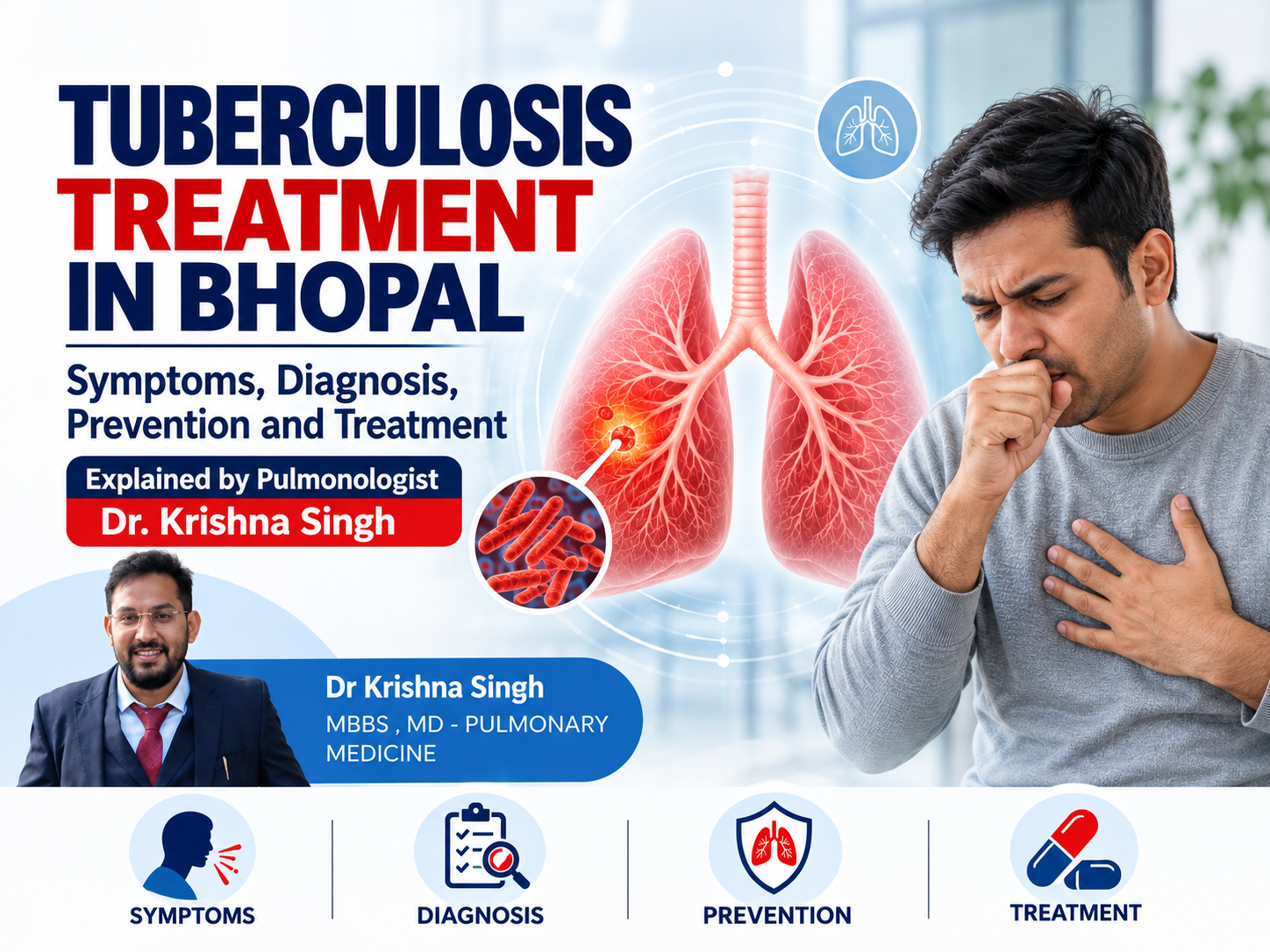
Tuberculosis Treatment in Bhopal requires timely diagnosis, appropriate medical evaluation, and a properly supervised treatment plan. Tuberculosis, commonly known as TB, is an infectious disease caused by Mycobacterium tuberculosis. It most commonly affects the lungs, although it can also involve other parts of the body. Persistent cough, fever, night sweats, fatigue, reduced appetite and unexplained weight loss can be associated with tuberculosis and should not be ignored. Dr. Krishna Singh is a Pulmonologist and Chest Specialist in Bhopal with more than 12 years of experience in pulmonology and chest medicine. He has been providing advanced lung care in Bhopal since 2012 and has experience in conditions including COPD, asthma, tuberculosis, lung infections and bronchoscopic procedures. His professional profile describes him as Professor & Head of Pulmonary Medicine, with an approach focused on careful diagnosis, modern techniques and compassionate patient care. For people searching for TB Treatment in MP Nagar, Bhopal, understanding the symptoms, causes, diagnostic process and importance of completing treatment can help them make informed decisions about respiratory health. This blog explains important aspects of tuberculosis and when professional pulmonary evaluation may be appropriate. What Is Tuberculosis? Tuberculosis is an infectious disease caused by bacteria called Mycobacterium tuberculosis. The infection most frequently affects the lungs and is then referred to as pulmonary tuberculosis. However, TB can also affect lymph nodes, bones, kidneys, the brain and other organs. Not everyone infected with TB bacteria develops active tuberculosis. Some people have latent TB infection, in which the bacteria remain in the body without causing active disease or typical symptoms. Active tuberculosis can cause symptoms and, when the lungs or airways are involved, may spread through the air to other people. Tuberculosis Treatment in Bhopal depends on several factors, including whether the infection is active, which part of the body is affected, previous treatment history and whether the TB bacteria are susceptible to commonly used medicines. A doctor may recommend different investigations to establish the diagnosis and determine the appropriate treatment approach. Self-treatment based only on symptoms is not recommended because several other respiratory conditions can produce similar complaints. Common Symptoms of Tuberculosis Recognising possible TB symptoms is important for timely medical assessment. Pulmonary tuberculosis may develop gradually, and some symptoms can initially appear mild. Common symptoms may include: Persistent cough Cough lasting several weeks Fever Night sweats Unexplained weight loss Reduced appetite Fatigue Weakness Chest discomfort Shortness of breath in some cases Coughing up blood in some patients People searching for TB Treatment in Arera Colony, Bhopal may be concerned about a persistent cough or other respiratory symptoms. However, these symptoms do not automatically indicate tuberculosis. Asthma, COPD, pneumonia, bronchitis, allergies and other lung conditions can cause overlapping symptoms. A pulmonologist can assess the duration and nature of symptoms along with medical history, examination findings and appropriate investigations. uberculosis Treatment in Bhopal: Why Early Evaluation Matters Early evaluation is an important part of managing suspected tuberculosis. A prolonged cough or unexplained respiratory symptoms may have multiple causes, and identifying the underlying condition helps guide further management. Tuberculosis Treatment in Bhopal should be based on appropriate clinical evaluation and diagnostic evidence whenever possible. Depending on the patient’s symptoms and clinical circumstances, a doctor may recommend chest imaging, sputum examination, molecular testing or other investigations. Early identification of active TB can also be important from a public-health perspective because pulmonary tuberculosis may be transmitted to close contacts. Patients should therefore avoid ignoring persistent respiratory symptoms, especially when they occur with prolonged fever, night sweats, weight loss or coughing up blood. How Does Tuberculosis Spread? Tuberculosis primarily spreads through the air when a person with infectious pulmonary or laryngeal TB releases bacteria into the surrounding air through coughing, speaking or sneezing. The risk of transmission can be influenced by factors such as: Duration of exposure Closeness of contact Ventilation Number of people sharing an enclosed space Whether the affected person has infectious pulmonary TB Not everyone exposed to TB bacteria develops active disease. The body’s immune response plays an important role in determining whether infection remains latent or progresses to active tuberculosis. For individuals searching for TB Treatment in Shahpura, Bhopal, it is important to understand that prevention, early diagnosis and appropriate management of infectious cases can help reduce transmission. Risk Factors Associated With Tuberculosis Several factors can increase the likelihood of developing active TB after infection. These may include: Weakened Immune System Certain medical conditions or medicines that suppress the immune system can increase the risk of active TB. Close Contact With an Infected Person People who spend considerable time with someone who has infectious TB may have a greater risk of exposure. Poor Nutritional Status Inadequate nutrition can affect overall health and immune function. Previous TB Infection People who have previously had TB may require careful evaluation if symptoms recur. Certain Chronic Conditions Some chronic illnesses can increase susceptibility to infections. High-Risk Living or Working Environments Crowded or poorly ventilated environments can facilitate respiratory transmission. Patients looking for TB Treatment in Kolar Road, Bhopal should discuss relevant risk factors and exposure history with their doctor if tuberculosis is suspected. Tuberculosis Treatment in MP Nagar, Bhopal: Understanding Diagnosis For patients searching for TB Treatment in MP Nagar, Bhopal, diagnosis is an important first step. There is no single test that is suitable for every patient. The diagnostic approach depends on symptoms, exposure history, age, clinical findings and suspected site of infection. Medical History and Examination The doctor may ask about cough duration, fever, weight changes, night sweats, previous TB treatment, exposure to TB and other medical conditions. Chest X-Ray A chest X-ray may show abnormalities associated with pulmonary tuberculosis. However, an abnormal X-ray does not by itself establish TB. Sputum Examination Sputum can be examined for evidence of Mycobacterium tuberculosis. This can be particularly important when pulmonary TB is suspected. Molecular Tests Molecular diagnostic tests can help identify TB bacteria and may also provide information about resistance to certain medicines. Additional Investigations Depending on the presentation, doctors may recommend CT scans, bronchoscopy,

Chronic Breathlessness Causes, Warning Signs, Diagnosis and Treatment. Explained by Pulmonologist in Bhopal: Dr. Krishna Singh
A Pulmonologist in Bhopal evaluates and treats diseases affecting the lungs, airways, and respiratory system. Breathlessness is one of the common symptoms that may lead a person to seek pulmonary care. While shortness of breath can occur temporarily after physical exertion, persistent or unexplained breathlessness may indicate asthma, COPD, lung infections, interstitial lung disease, pulmonary hypertension, heart-related conditions, or other respiratory problems. People experiencing breathing difficulty may notice shortness of breath while walking, climbing stairs, exercising, or even during routine activities. A Chest Specialist in Bhopal can assess the duration, severity, triggers, associated symptoms, smoking or pollution exposure, and previous respiratory history to understand the possible cause. Dr. Krishna Singh is an MBBS, MD (Professor & Head Pulmonary Medicine) and has been providing pulmonology and chest medicine care in Bhopal since 2012. His website highlights expertise in asthma, COPD, tuberculosis, allergies, lung infections, ILD, sleep disorders, bronchoscopy, breathing difficulties, and other chest and lung conditions. What Is Chronic Breathlessness and Why Does It Need Evaluation? Breathlessness, also called dyspnea, refers to the feeling of not getting enough air or having difficulty breathing. It can occur suddenly or develop gradually over time. Some people describe breathlessness as chest tightness, heavy breathing, inability to take a deep breath, or feeling exhausted after minimal physical activity. A Lung Specialist in Bhopal may evaluate persistent breathlessness because the symptom can occur with several different respiratory conditions. Identifying the underlying cause is important because treatment depends on the disease responsible for the breathing difficulty. What Are the Common Causes of Breathlessness? Breathlessness can have respiratory, cardiovascular, environmental, or other medical causes. Common respiratory causes include: Asthma COPD Bronchitis Pneumonia Tuberculosis Interstitial lung disease Pulmonary fibrosis Lung infections Pulmonary hypertension Lung cancer Sleep-related breathing disorders A Respiratory Doctor in Bhopal may also consider smoking, air pollution, occupational dust, previous infections, allergies, medication history, and physical fitness when assessing breathing problems. Can Asthma Cause Breathing Difficulty? Asthma is a chronic airway condition in which the airways become inflamed and narrow, leading to symptoms such as wheezing, cough, chest tightness, and shortness of breath. Symptoms may become worse at night, early in the morning, during exercise, or after exposure to dust, smoke, pollen, weather changes, or respiratory infections. An Asthma Specialist in Bhopal may assess symptoms and triggers and may recommend lung function testing to support diagnosis and monitor respiratory function. Dr. Krishna Singh’s website lists asthma diagnosis, treatment, inhaler guidance, trigger identification, and long-term asthma management among his areas of respiratory care. What Is COPD and How Does It Affect Breathing? Chronic obstructive pulmonary disease, or COPD, is a long-term respiratory condition that can cause persistent cough, mucus production, wheezing, and progressive breathlessness. Smoking is an important risk factor, although exposure to biomass smoke, occupational dust, air pollution, and other respiratory irritants may also contribute. A COPD Specialist in Bhopal may evaluate breathing symptoms using clinical examination and pulmonary function testing. Treatment may involve prescribed inhaled medicines, smoking cessation, pulmonary rehabilitation, vaccinations, and regular monitoring depending on the individual’s condition. Dr. Krishna Singh’s website specifically lists COPD care among his lung and chest services. Can Lung Infections Cause Breathlessness? Respiratory infections can affect the airways or lung tissue and may cause cough, fever, mucus, chest discomfort, fatigue, and difficulty breathing. Pneumonia and other lung infections may become more serious when symptoms are severe or when oxygen levels fall. A Lung Infection Doctor in Bhopal may evaluate symptoms, oxygen levels, examination findings, and imaging when necessary. Depending on the suspected infection, additional tests may also be required. Breathlessness that develops with high fever, chest pain, confusion, bluish lips, or rapidly worsening symptoms requires prompt medical assessment. Can Tuberculosis Cause Breathing Problems? Tuberculosis can affect the lungs and may cause prolonged cough, sputum production, fever, night sweats, weakness, reduced appetite, weight loss, and sometimes blood in sputum. Not every person with tuberculosis has all these symptoms, which is why persistent respiratory symptoms should be appropriately evaluated. A TB Specialist in Bhopal may consider tuberculosis when symptoms, exposure history, examination, imaging, and laboratory findings suggest the possibility of pulmonary TB. Dr. Krishna Singh’s website identifies tuberculosis treatment as one of his areas of chest and lung care. What Is Interstitial Lung Disease and Can It Cause Breathlessness? Interstitial lung disease, or ILD, refers to a group of conditions that can cause inflammation or scarring of lung tissue. People with ILD may develop gradually increasing breathlessness, especially during walking or physical activity. A persistent dry cough may also occur. An ILD Specialist in Bhopal may use a combination of medical history, physical examination, high-resolution CT imaging, pulmonary function testing, and other investigations to understand the type and severity of lung involvement. Dr. Krishna Singh’s website lists ILD treatment and notes the use of HRCT scans and lung function tests in its evaluation. What Are the Warning Signs of Serious Breathing Problems? Some breathing symptoms should not be ignored. Important warning signs include: Severe or rapidly increasing breathlessness Difficulty breathing at rest Chest pain or pressure Blue or grey lips Coughing up blood Confusion Fainting Very low oxygen saturation Persistent high fever with breathing difficulty Sudden worsening of respiratory symptoms Inability to speak comfortably because of breathlessness A Chest Doctor in Bhopal may recommend urgent assessment when symptoms suggest a serious respiratory problem. Severe breathing difficulty or sudden deterioration may require emergency medical care. When Should You See a Pulmonologist in Bhopal? A Pulmonologist in Bhopal may be consulted when breathing problems persist, recur, or interfere with normal activities. Medical evaluation may be appropriate when a person experiences: Chronic cough Repeated wheezing Persistent breathlessness Recurrent chest infections Chest tightness Blood in sputum Unexplained fatigue with breathing difficulty Breathlessness during routine walking Breathing problems related to smoking Snoring and nighttime breathing problems Dr. Krishna Singh’s website specifically advises patients to seek chest evaluation for symptoms such as difficulty breathing, chest pain or heaviness, prolonged cough, wheezing, and blood in sputum. What Tests Are Used to Diagnose Lung Problems? The tests required depend

Snoring Every Night? It Could Be a Sign of Sleep Apnea or a Sleep Disorder
Many people consider snoring a harmless habit, but frequent or loud snoring may be a warning sign of a more serious medical condition known as Sleep Apnea. If you wake up feeling tired despite sleeping for several hours, experience daytime sleepiness, or your family notices pauses in your breathing while sleeping, it is important not to ignore these symptoms. Seeking timely Sleep Apnea Treatment in Bhopal can help prevent serious health complications and improve your overall quality of life. At Dr. Krishna Singh’s Pulmonology Clinic, patients receive comprehensive evaluation and evidence-based treatment for sleep-related breathing disorders. With years of experience in respiratory medicine, Dr. Krishna Singh – Pulmonologist in Bhopal has helped thousands of patients manage Sleep Apnea, snoring disorders, asthma, COPD, and other lung diseases through accurate diagnosis and personalized care. What Is Sleep Apnea? Sleep Apnea is a sleep disorder in which breathing repeatedly stops and starts during sleep. These interruptions reduce oxygen levels in the body, forcing the brain to briefly wake the person to restore normal breathing. Because these awakenings are often so short, many people do not remember them, but they significantly affect sleep quality. The most common type is Obstructive Sleep Apnea (OSA), where the muscles in the throat relax excessively during sleep, blocking the airway. Less commonly, Central Sleep Apnea occurs when the brain fails to send proper signals to the breathing muscles. Without proper Sleep Apnea Treatment in Bhopal, the condition can increase the risk of high blood pressure, heart disease, stroke, diabetes, and chronic fatigue. Is Snoring Always a Sign of Sleep Apnea? Not every person who snores has sleep apnea, but persistent loud snoring is one of the strongest warning signs. Simple snoring usually occurs due to vibration of relaxed throat tissues, while Sleep Apnea involves repeated blockage of the airway that temporarily stops breathing. You should seek evaluation if your snoring is accompanied by: Loud, habitual snoring every night Gasping or choking during sleep Pauses in breathing noticed by family members Morning headaches Dry mouth after waking Excessive daytime sleepiness Difficulty concentrating Poor memory Irritability or mood changes Early diagnosis by an experienced Pulmonologist in Bhopal can prevent long-term complications. Common Causes of Sleep Apnea Several factors increase the risk of developing Sleep Apnea and other sleep disorders. Obesity Excess fat around the neck narrows the airway and increases breathing obstruction during sleep. Age The risk increases with age because throat muscles gradually lose tone. Large Neck Circumference People with thicker necks often have narrower airways. Smoking Smoking causes airway inflammation and swelling, increasing the likelihood of obstruction. Alcohol Consumption Alcohol relaxes throat muscles and worsens snoring and sleep apnea. Nasal Blockage Chronic allergies, sinusitis, or a deviated nasal septum can interfere with normal breathing during sleep. Family History Genetics may also contribute to airway anatomy and increase the risk of sleep apnea. Medical Conditions High blood pressure, diabetes, hypothyroidism, and certain neurological disorders may also increase the risk of developing Sleep Apnea. Symptoms of Sleep Apnea That Should Never Be Ignored Symptoms may develop gradually and often go unnoticed for years. Common symptoms include: Loud snoring Interrupted breathing during sleep Sudden gasping or choking episodes Restless sleep Morning headaches Dry throat after waking Excessive daytime fatigue Poor concentration Memory problems Mood swings Depression or anxiety Reduced work performance These symptoms indicate that your body may not be receiving enough oxygen during sleep and require professional evaluation. How Is Sleep Apnea Diagnosed? If you experience persistent snoring, daytime fatigue, or breathing interruptions during sleep, consulting an experienced Pulmonologist in Bhopal is the first step toward proper diagnosis. Early detection allows timely Sleep Apnea Treatment in Bhopal, reducing the risk of long-term health complications. 1. Detailed Medical History Your doctor will ask about: Snoring pattern Sleep quality Daytime sleepiness Medical history Family history of sleep disorders Lifestyle habits 2. Physical Examination The airway, nose, throat, neck size, and body weight are examined to identify possible causes of airway obstruction. 3. Sleep Study (Polysomnography) A sleep study is the gold standard test for diagnosing Sleep Apnea. During this overnight test, several body functions are monitored, including: Breathing pattern Oxygen levels Heart rate Brain activity Muscle movements Sleep stages Based on the results, the severity of sleep apnea is determined, allowing your doctor to recommend the most appropriate treatment. Treatment Options for Sleep Apnea Treatment depends on the severity of the condition, underlying causes, and the patient’s overall health. Lifestyle Modifications For mild cases, simple lifestyle changes may significantly improve symptoms. These include: Losing excess weight Sleeping on your side instead of your back Avoiding alcohol before bedtime Quitting smoking Maintaining regular sleep habits Managing nasal allergies CPAP Therapy The most effective treatment for moderate to severe Obstructive Sleep Apnea is Continuous Positive Airway Pressure (CPAP) therapy. A CPAP machine delivers a constant stream of air through a mask, preventing airway collapse during sleep. Most patients notice: Better sleep quality Reduced snoring Increased daytime energy Improved concentration Lower risk of heart complications Oral Appliances Some patients with mild to moderate sleep apnea may benefit from specially designed oral devices that keep the airway open by repositioning the lower jaw during sleep. Surgical Treatment When structural problems such as enlarged tonsils, nasal obstruction, or jaw abnormalities cause airway blockage, surgery may be recommended after a thorough evaluation. What Happens If Sleep Apnea Is Left Untreated? Ignoring Sleep Apnea can lead to serious medical problems over time. Potential complications include: High blood pressure Heart disease Stroke Irregular heartbeat Type 2 diabetes Depression and anxiety Memory impairment Reduced work performance Increased risk of road traffic accidents due to daytime sleepiness Timely Sleep Apnea Treatment in Bhopal not only improves sleep but also protects your long-term heart, brain, and overall health. Can Sleep Apnea Be Prevented? Although every case cannot be prevented, adopting healthy habits can significantly reduce the risk. Tips to reduce your risk: Maintain a healthy body weight. Exercise regularly. Avoid smoking and tobacco. Limit alcohol consumption, especially before bedtime. Sleep on your
COPD Treatment in Bhopal: Early Signs You Should Never Ignore
COPD Treatment in Bhopal is becoming increasingly important as the number of people affected by chronic respiratory diseases continues to rise. Chronic Obstructive Pulmonary Disease (COPD) is a progressive lung condition that affects breathing and significantly impacts quality of life if left untreated. Unfortunately, many people ignore the early symptoms of COPD, assuming they are simply signs of aging, seasonal allergies, or temporary respiratory infections. Recognizing the warning signs early and seeking timely medical care can help slow disease progression, improve lung function, and enhance overall health outcomes. Dr. Krishna Singh, a trusted Pulmonologist in Bhopal and Professor & Head of Pulmonary Medicine, has been providing advanced respiratory care since 2012. With extensive experience in diagnosing and treating COPD, asthma, lung infections, and other respiratory disorders, Dr. Krishna Singh is dedicated to helping patients breathe better and live healthier lives. Patients looking for COPD Treatment in Bhopal often consult Dr. Krishna Singh because of his expertise, patient-focused approach, and commitment to evidence-based respiratory care. COPD Specialist in Bhopal – Dr. Krishna Singh Choosing the right pulmonologist is essential for managing chronic lung diseases effectively. Dr. Krishna Singh is a highly experienced Chest Specialist and Pulmonologist in Bhopal, known for providing comprehensive diagnosis and treatment for various respiratory conditions. Patients consult Dr. Krishna Singh for: COPD Treatment Asthma Management Chronic Cough Evaluation Lung Infection Treatment Bronchoscopy Allergy Management Breathing Difficulty Assessment Pulmonary Disease Management His goal is to identify respiratory conditions early and provide treatment that improves both symptoms and long-term lung health. What is COPD? COPD, or Chronic Obstructive Pulmonary Disease, is a group of progressive lung diseases that make breathing difficult. The two most common forms include: Chronic Bronchitis A condition characterized by long-term inflammation of the airways, leading to mucus production and persistent cough. Emphysema A condition that damages the air sacs within the lungs, reducing the body’s ability to absorb oxygen effectively. COPD usually develops gradually, and symptoms often worsen over time if treatment is delayed. Why Early Diagnosis is Important Many patients ignore early symptoms because they develop slowly. Unfortunately, delayed diagnosis may lead to: Progressive lung damage Frequent infections Reduced physical activity Poor quality of life Increased hospitalization risk Early COPD Treatment in Bhopal can help manage symptoms, slow disease progression, and improve daily functioning. Early Signs of COPD You Should Never Ignore 1. Persistent Cough A cough that continues for weeks or months should never be ignored. COPD-related cough is often: Long-lasting Recurrent Accompanied by mucus production Many people mistakenly consider it a normal smoker’s cough. 2. Shortness of Breath One of the earliest symptoms of COPD is breathlessness. Initially, patients may notice difficulty while: Climbing stairs Walking long distances Performing routine physical activities As the condition progresses, breathing difficulties may become more noticeable. 3. Excessive Mucus Production Chronic mucus production is a common symptom. Patients may frequently experience: Phlegm in the morning Thick mucus Persistent throat clearing This occurs due to airway inflammation. 4. Wheezing Wheezing refers to a whistling sound while breathing. This symptom may indicate narrowed airways and should be evaluated by a pulmonologist. 5. Frequent Chest Tightness Many COPD patients describe a feeling of pressure or tightness in the chest. Persistent chest discomfort should never be ignored. 6. Recurrent Respiratory Infections People with COPD often experience: Frequent colds Recurrent bronchitis Repeated chest infections Slow recovery from respiratory illnesses Recurring infections may indicate underlying lung disease. 7. Fatigue and Low Energy Levels When the lungs are not functioning efficiently, the body receives less oxygen. This may cause: Tiredness Reduced stamina Weakness Difficulty performing routine tasks 8. Difficulty Exercising Many individuals notice reduced exercise tolerance before receiving a COPD diagnosis. Activities that were previously easy may become challenging. 9. Bluish Lips or Fingernails Low oxygen levels may sometimes cause discoloration of the lips or nails. This symptom requires immediate medical attention. 10. Unintentional Weight Loss Advanced COPD can increase energy expenditure and affect appetite. Unexplained weight loss should always be medically evaluated. Common Causes of COPD Several factors increase the risk of developing COPD. Smoking Smoking remains the leading cause of COPD worldwide. Secondhand Smoke Exposure Long-term exposure to tobacco smoke can damage the lungs. Air Pollution Environmental pollution may contribute to chronic respiratory diseases. Occupational Exposure Dust, fumes, and chemicals encountered in certain workplaces can increase risk. Genetic Factors Some individuals may have inherited conditions that increase susceptibility to COPD. Who is at Higher Risk? You may be at higher risk if you: Smoke or have smoked in the past Are over 40 years of age Have frequent respiratory infections Have prolonged exposure to pollution Have a family history of lung disease Work in environments with dust or chemicals Early screening can help detect problems before significant lung damage occurs. How COPD is Diagnosed Accurate diagnosis is essential for effective treatment. Medical History Evaluation Your pulmonologist will review symptoms, lifestyle factors, and risk factors. Physical Examination A thorough respiratory examination helps assess lung health. Pulmonary Function Tests These tests measure how well the lungs function. Imaging Studies Chest imaging may be recommended to evaluate structural lung changes. Oxygen Level Assessment Oxygen saturation monitoring helps assess respiratory function. COPD Treatment in Bhopal Modern treatment approaches focus on symptom control and improving quality of life. Medication Management Various medications may help: Open airways Reduce inflammation Improve breathing Pulmonary Rehabilitation Structured rehabilitation programs help improve lung function and physical endurance. Lifestyle Modifications Patients are encouraged to: Quit smoking Exercise regularly Follow a healthy diet Avoid respiratory irritants Vaccination and Infection Prevention Preventing respiratory infections plays an important role in COPD management. Oxygen Therapy Some patients may benefit from supplemental oxygen when required. How COPD Affects Daily Life Without treatment, COPD can impact: Physical Health Breathing difficulties may limit routine activities. Emotional Well-being Chronic symptoms can contribute to anxiety and stress. Social Life Many patients avoid activities because of breathing difficulties. Sleep Quality COPD symptoms may interfere with restful sleep. Timely intervention can significantly improve quality of life. Why Patients Choose Dr. Krishna Singh
Lung Diseases Treatment in Bhopal: Symptoms, Causes, Diagnosis & Expert Care by Dr. Krishna Singh
Lung diseases treatment in Bhopal is essential for individuals experiencing respiratory conditions that affect breathing and overall lung health. Diseases such as asthma, COPD, tuberculosis (TB), bronchitis, pneumonia, and lung infections can significantly impact daily activities if left untreated. Common symptoms include persistent cough, wheezing, breathlessness, chest tightness, and recurrent respiratory infections. Factors such as air pollution, smoking, workplace exposure to dust and chemicals, and respiratory infections can increase the risk of developing lung diseases. Early diagnosis and timely treatment play a crucial role in preventing complications and improving quality of life. Dr. Krishna Singh, a highly experienced Best Pulmonologist in Bhopal and trusted Chest Specialist in Bhopal, provides advanced diagnosis and treatment for a wide range of respiratory disorders. Through evidence-based care, modern diagnostic techniques, and personalized treatment plans, Dr. Krishna Singh helps patients manage symptoms effectively and maintain better long-term respiratory health. Since 2012, Dr. Krishna Singh has been providing advanced respiratory care to patients across Bhopal and surrounding regions. As Professor & Head of Pulmonary Medicine, Dr. Krishna Singh specializes in diagnosing and treating a wide range of respiratory disorders through evidence-based care and modern diagnostic techniques. Patients seeking Lung diseases treatment in Bhopal often trust Dr. Krishna Singh for his expertise in asthma management, COPD Treatment in Bhopal, tuberculosis care, and Bronchoscopy in Bhopal. Why Choose Dr. Krishna Singh for Lung Diseases Treatment in Bhopal? When it comes to respiratory health, choosing the right specialist plays an important role in achieving accurate diagnosis and effective treatment. Dr. Krishna Singh is widely recognized for his expertise in managing a wide range of respiratory conditions and providing advanced Lung diseases treatment in Bhopal. His patient-focused approach, clinical experience, and commitment to evidence-based care have made him a preferred choice for individuals seeking treatment for asthma, COPD, tuberculosis, lung infections, and other breathing disorders. Pulmonology Expertise Since 2012 With over a decade of experience in pulmonary medicine, Dr. Krishna Singh has successfully diagnosed and treated thousands of patients suffering from various respiratory conditions. His extensive clinical experience enables him to identify complex lung diseases and provide appropriate treatment plans tailored to each patient’s needs. Professor & Head of Pulmonary Medicine As Professor & Head of Pulmonary Medicine, Dr. Krishna Singh combines academic excellence with practical clinical expertise. His involvement in medical education and respiratory research allows him to stay updated with the latest advancements in pulmonary care and treatment techniques. Advanced Bronchoscopy in Bhopal Dr. Krishna Singh is experienced in performing Bronchoscopy in Bhopal, an advanced procedure used to examine the airways and diagnose various lung conditions. Bronchoscopy plays an important role in evaluating chronic cough, lung infections, airway abnormalities, and other respiratory disorders, helping ensure accurate diagnosis and effective treatment. Expertise in COPD Treatment in Bhopal Chronic Obstructive Pulmonary Disease (COPD) requires specialized care and long-term management. Patients seeking COPD Treatment in Bhopal trust Dr. Krishna Singh for comprehensive evaluation, symptom management, and personalized treatment strategies aimed at improving breathing capacity and quality of life. Evidence-Based Respiratory Care Every treatment plan recommended by Dr. Krishna Singh is based on established medical guidelines, clinical evidence, and the latest advancements in pulmonary medicine. This approach helps ensure accurate diagnosis, appropriate treatment, and better long-term outcomes for patients requiring Lung diseases treatment in Bhopal. Comprehensive Lung Disease Management From asthma and COPD to tuberculosis, pneumonia, bronchitis, and lung infections, Dr. Krishna Singh offers complete respiratory care under one roof. His comprehensive approach focuses on both symptom relief and long-term lung health improvement. Patient-Focused Treatment Approach One of the reasons many patients consider Dr. Krishna Singh a trusted Chest Specialist in Bhopal is his patient-centered approach. He believes in clear communication, detailed evaluation, and educating patients about their condition, enabling them to make informed decisions about their treatment and respiratory health. Many patients searching for the Best Pulmonologist in Bhopal consult Dr. Krishna Singh for long-term respiratory care and advanced treatment options. Common Lung Diseases Treated by Dr. Krishna Singh As a highly experienced Chest Specialist in Bhopal, Dr. Krishna Singh provides diagnosis and treatment for a wide range of respiratory conditions. Patients seeking Lung diseases treatment in Bhopal often consult Dr. Krishna Singh for both common and complex lung disorders that affect breathing and overall quality of life. Asthma Treatment Asthma is a chronic respiratory condition that causes inflammation and narrowing of the airways. Patients may experience wheezing, coughing, chest tightness, and shortness of breath, especially during physical activity or exposure to allergens. With proper diagnosis and ongoing management, Dr. Krishna Singh helps patients achieve better symptom control and improved lung function. COPD Treatment in Bhopal Chronic Obstructive Pulmonary Disease (COPD) is a progressive lung disease that commonly develops due to smoking or long-term exposure to air pollutants. Symptoms often include persistent cough, excess mucus production, breathlessness, and fatigue. Patients seeking COPD Treatment in Bhopal can benefit from early diagnosis and personalized treatment plans designed to slow disease progression and improve daily living. Tuberculosis (TB) Treatment Tuberculosis is a bacterial infection that primarily affects the lungs and remains a significant health concern. Common symptoms include prolonged cough, fever, night sweats, fatigue, and weight loss. Dr. Krishna Singh provides comprehensive evaluation and treatment for pulmonary tuberculosis to support recovery and prevent complications. Lung Infections Various bacterial, viral, and fungal infections can affect lung health and cause symptoms such as cough, fever, chest congestion, and breathing difficulties. Patients requiring Lung diseases treatment in Bhopal frequently seek expert care from Dr. Krishna Singh for accurate diagnosis and effective management of respiratory infections. Bronchitis Treatment Bronchitis occurs when the bronchial tubes become inflamed, leading to chronic cough, mucus production, wheezing, and chest discomfort. Early diagnosis by an experienced Chest Specialist in Bhopal can help prevent recurrent symptoms and reduce the risk of long-term respiratory complications. Pneumonia Treatment Pneumonia is a serious lung infection that can cause fever, chills, chest pain, productive cough, and difficulty breathing. Timely medical attention is essential for effective recovery. Dr. Krishna Singh provides advanced diagnosis and treatment for

Lung Cancer in India: Why Cases Are Rising in 2026 – Insights by Dr. Krishna Singh, Pulmonologist in Bhopal
It often begins with something very small cough that doesn’t go away, slight breathlessness while climbing stairs, or a constant feeling of fatigue. Many people tend to ignore these signs, assuming they are minor or temporary……

Allergy Treatment in Bhopal: Symptoms, Causes and Best Treatment Options
Allergies are becoming increasingly common in urban environments, especially in growing cities like Bhopal……

Interstitial Lung Disease Treatment in Bhopal – Advanced, Compassionate Lung Care
Breathing is something we do every moment without thinking. But when someone develops interstitial lung disease…….

Tuberculosis (TB) Awareness – Understanding the Disease, Its Impact, and the Path to Complete Recovery
Tuberculosis, commonly known as TB, is a serious infectious disease that mainly affects the lungs but can also involve other organs of the body….

Pneumonia treatment in Bhopal: Causes, Symptoms & Treatment
Pneumonia is a sickness that affects the lungs, the part of our body that helps us breathe. When tiny germs like bacteria, viruses or fungi enter the lungs, they make the lungs swollen and filled with sticky mucus or fluid. This fluid blocks the clean air from going inside the body. Because of this, breathing becomes hard, coughing becomes strong, and the body feels weak and tired. Some people get only a mild form of pneumonia, which means the sickness is small and gets better quickly. But some people get a strong form of pneumonia that needs a doctor’s help and sometimes even hospital care. Breathing is one of the most important things for life, and pneumonia makes it difficult. Many families trust Pneumonia treatment in Bhopal, especially because Dr. Krishna Singh, the best Pulmonologist in Bhopal, gives gentle, careful and complete lung care. He helps babies, children, adults and old people recover safely and breathe freely again. What Is Pneumonia? Pneumonia is an infection inside the lungs. Inside your lungs, there are hundreds of tiny balloon-like sacs called alveoli. These sacs hold air and help oxygen enter the bloodstream. But when germs enter the lungs, these sacs fill with pus or sticky liquid instead of clean air. Because of this, the lungs cannot work properly. When the lungs cannot take in enough air, simple activities like walking, climbing stairs or even talking may feel tiring. A person may feel like they need to take deep breaths again and again. Pneumonia can happen in just one lung or both lungs. When both lungs are infected, it is called double pneumonia, which feels more serious. People who are very young, very old or weak from other illnesses get pneumonia more easily. Doctors always say that early checkups are the best way to control pneumonia. That is why Pneumonia treatment in Bhopal is done with great care by Dr. Krishna Singh, the best Pulmonologist in Bhopal, who checks the lungs and gives medicines that help people recover faster. Difference Between Viral and Bacterial Pneumonia Pneumonia happens because of germs, and the two most common types are viral pneumonia and bacterial pneumonia. Both enter the lungs but behave differently. 1. Bacterial Pneumonia This type is stronger and makes a person sicker. Symptoms appear suddenly. A person may get a high fever, cough thick yellow or green mucus, breathe faster than normal, and feel pain in the chest.Bacterial pneumonia usually needs antibiotics. Without treatment, it can get worse quickly. That is why doctors act fast when they see these signs. 2. Viral Pneumonia This type starts slowly and looks like a simple flu or cold at first. People may get headache, body pain, tiredness, mild fever or dry cough.Many times viral pneumonia gets better with rest, fluids and care. But sometimes it becomes stronger and needs medical help. Doctors providing Pneumonia treatment in Bhopal, like Dr. Krishna Singh, the best Pulmonologist in Bhopal, check whether the infection is viral or bacterial so the correct medicine can be given. Types of Pneumonia Pneumonia can happen in different ways depending on where the infection starts. Here are the main types: Community-Acquired Pneumonia (CAP) This pneumonia happens outside hospitals — in homes, schools, workplaces or public places. People can get CAP from: Bacteria, like Streptococcus pneumoniae Viruses, like the flu, COVID-19 or RSV Fungi, especially if the person has weak immunity Sometimes CAP is mild and gets better with medicines. But children, older people and those with breathing problems may get very sick and need extra care. That is why people choose Pneumonia treatment in Bhopal, where Dr. Krishna Singh, the best Pulmonologist in Bhopal, checks each symptom carefully and decides the right treatment. Hospital-Acquired Pneumonia (HAP) Some people get pneumonia while staying in a hospital for another illness.Hospital germs are usually stronger and harder to kill. Because of this, HAP can be more dangerous. People with HAP often need strong antibiotics and must be watched closely.This is part of the advanced Pneumonia treatment in Bhopal, done under Dr. Krishna Singh, the best Pulmonologist in Bhopal, to keep patients safe. Healthcare-Associated Pneumonia (HCAP) People in long-term care places like nursing homes or rehabilitation centers may get HCAP.The germs here may also be strong like hospital germs. Since the people living in such places may already be weak, this pneumonia needs quick treatment. Ventilator-Associated Pneumonia (VAP) Some patients in the ICU use ventilators to breathe. Sometimes germs can travel through the breathing tube into the lungs, causing pneumonia. This is a serious condition and needs expert care, which is included in Pneumonia treatment in Bhopal by Dr. Krishna Singh, the best Pulmonologist in Bhopal. Aspiration Pneumonia Aspiration pneumonia happens when food, drinks, spit or vomit accidentally enters the lungs instead of the stomach.If the person cannot cough it out, the lungs get infected. This happens more in people who have trouble swallowing, such as those who had a stroke. Special care is needed to prevent and treat this type, which is part of Pneumonia treatment in Bhopal offered by Dr. Krishna Singh, the best Pulmonologist in Bhopal. How Can I Tell If I Have Pneumonia? Pneumonia often begins like a cold or the flu, with sneezing, coughing or tiredness. But soon the symptoms become stronger. You may notice: Trouble breathing or breathing very fast Chest pain Fever above 102°F Thick yellow, green or bloody mucus Fast heartbeat Feeling tired even after resting These signs should never be ignored. That is why many families choose Pneumonia treatment in Bhopal, trusting Dr. Krishna Singh, the best Pulmonologist in Bhopal to guide them with the right diagnosis and treatment. Who Is Most at Risk of Getting Pneumonia? Some people get pneumonia more easily. These include: Babies and children under age two Adults over age sixty-five People with asthma or COPD People with heart disease Pregnant women Smokers People with weak immunity People living in hospitals or nursing homes These groups may get sicker faster, so early care is important.This is